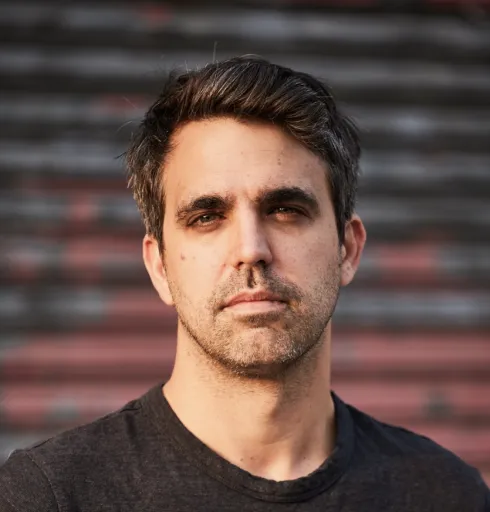
 PJ Vogt
Writer, Wronger
“It sounds like what you're describing is actually not a problem that gets solved. It's a problem that gets managed. Like it sounds like it is just probably a going forward fact of American life that sometimes if you work at a large enough company that uses enough remote workers, the person who's troubleshooting something for you or the job application you're reading just is not who you thought it was.”
Search Engine · Tech Strategy & Big Tech · October 2026
Vogt's summary after his guest described North Korean IT workers using AI face swaps, accent changers and subcontractors to get and keep remote jobs. Experts told the guest that deepfaked applicants may soon be impossible to tell apart from real ones.
Transcript
What is the thing you're trying to figure out now? Like you got a glimpse of this. You guys reported on this. Presumably like Eagle Vision and the North Korean? government tracks the Wall Street Journal's reporting. Like where has this story been evolving?
…to be impossible to discern between an AI deep fake, somebody who's using a fake face and somebody who's using a real face and using their real accent. So we're kind of just trying to understand how this whole thing is evolving and how slash whether it's possible to detect this as an employer.
It's such a thorny problem. But it sounds like what you're describing is actually not a problem that gets solved. It's a problem that gets managed. Like it sounds like it is just probably a going forward fact of American life that sometimes if you work at a large enough company that uses enough remote workers, the person who's troubleshooting something for you or the job application you're reading just is not who you thought it was.
Yeah. And we're even seeing companies that exist now that are aimed at tackling basically exactly this, people who are misrepresenting themselves in the labor market. You're figuring out if you're interviewing a deep fake candidate, figuring out if a candidate has applied to 100 different companies…
It's sort of the kind of algorithmic fraud detection that like a credit card company would normally use. Like, oh, this person doesn't usually use their visa at a gas station overseas all of a sudden, but now you're just trying to build. similar databases and similar recognition systems for job…
Yeah.
More from Search Engine