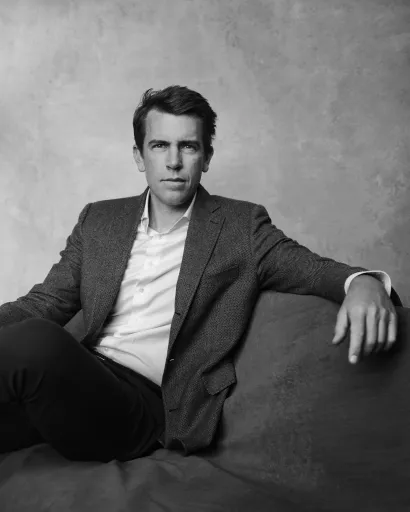
 David McCloskey
Sunday Times bestselling spy novelist and former CIA analyst who wrote for the President's Daily Brief and served on field rotations across the Middle East.
“When I was at the agency and looking at the Syrian intelligence services, it was a very classic kind of political control mechanism to have a chief and then to have someone under the chief who was actually loyal to the Assad family or whomever, could then spy on the organization from inside. And I think it's a very similar model here.”
The Rest Is Classified · Geopolitics & World Affairs · November 2026
Context
Asked why the CIA's deputy director acted without going through his boss, David McCloskey explains it as the Nixon White House placing a political loyalist beneath a director it didn't trust, a pattern he studied in authoritarian intelligence services.
Transcript
FBI. And he's like, if you keep going with this, it might imperil some of our operations in Mexico. And then he goes back to the agents and he's like, do we have operations? And they're like, don't
think so. Nothing that could be endangered. Is he not talking to Helms? That's what I find a bit strange. It's like Helms is like, I don't want to get involved in this. But his deputy is basically like, maybe I'll do what I'm told.
When I was at the agency and looking at the Syrian intelligence services, it was a very classic kind of political control mechanism to have a chief and then to have someone under the chief who was actually loyal to the Assad family or whomever, could then spy on the organization from inside. And I think it's a very similar model here. Helms has been running the CIA since 1966. He is a Johnson appointee. And Nixon doesn't trust him. But Helms was seen as a competent, professional spy master, so they keep him on. But they've installed a deputy who can keep tabs on things. So it's a very similar model. That model is, well, maybe up until recently, hasn't been used much since. But this was very much, I think, the case at the time.
There are potentially interesting parallels, I think, today, where you see often you have someone running an agency, and then a level one level below, you have the real political guys. That's right.
In any case, now that the deputy director has gone back and actually had the agency take a look and say, do we have equities in Mexico that could be adversely affected by an FBI investigation? The agency has come back and said, no, not really. And so without a doubt, at this point, both Helms and…
message, which is like, yeah, don't spread your investigation too wide. So they're basically doing a bit of the White House's bidding, but a bit.
More from The Rest Is Classified