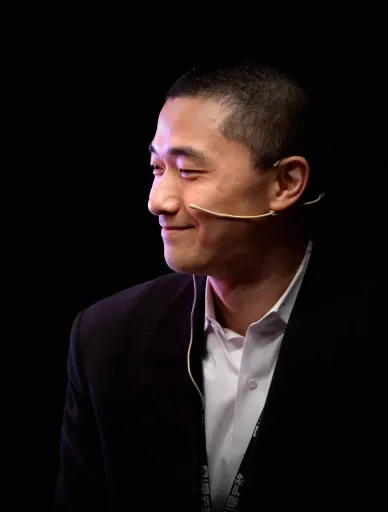
“People are underestimating how much the computer already knows. It's just there sitting there waiting to be tapped, so to speak.”
sputnikintelligence.com
Martin Casado asked how a personal AI gets access to a person's digital context. Ken Liu points to the raw stream of events the operating system already exposes, such as app switches, typing and pauses on websites, which agents can read around the clock.
just do it. He'll just do it. And then you trust them because you know that they have a good model of you and what that means when it comes to getting things done.
…first-person lab users, I would say the thing that struck me. Me was that not that it knew who I was, but more it had access to all of my channels very well. And then, by the way, which turns out to be very hard systems problems. So, maybe talk a little bit about that aspect of what you're doing.
…of typing at this particular app might mean that you're sending a message. And then when you're switching apps between the browser or back to your codecs, you might be like doing some research. You might be writing a Google Doc. And you kind of hierarchically build up that understanding. And that plus existing connectors can give you a very good understanding of what you're trying to do. I think people are underestimating how much the computer already knows. It's just there sitting there waiting to be tapped, so to speak.
Having been also a very early adopter of the product, lately it's been just indispensable because it's able to catch, it's sending me messages now and letting me know that, hey, you've got this conversation going on over here with this person, and it looks like the situation has changed. So we were…
you ask it to do that?
No, I did not ask it to do that. This is my experience with my second too. Like literally, I'll get