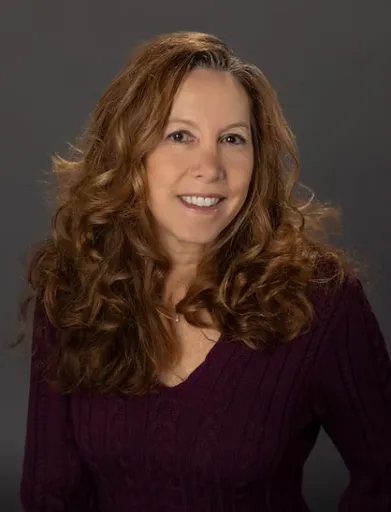
 Valerie Fridland
A foundation professor of linguistics at the University of Nevada, Reno, and author of Like, Literally, Dude: Arguing for the Good in Bad English and the follow...
“Television does not change accents. No research has ever shown that television has a profound influence on the way we sound.”
What Happens Next in 6 Minutes · September 2026
Context
Larry Bernstein had just suggested that the sheer variety of what people watch now makes it hard to see how broadcast could be flattening regional speech. Fridland separates the two mechanisms: one-way communication does not move accents, interaction does, which is why she thinks social media may be a different case. She credits suburbanization, not television, with the changes people think they are hearing.
Transcript
think there were a few more than three shows, but yes.
Today, we have enormous variation of what's on television, what people can see. And so, it's hard to believe that social media, which is so varied, would be somehow forced to cause this change.
Television does not change accents. No research has ever shown that television has a profound influence on the way we sound. Does television have an influence perhaps on the words that we use? Does it reflect some tendencies that are already in place? Yes, but does it forge accents? No, it's very limited to have accent change in order to pick up novel innovations and do what your peers do. You have to have interaction. One-way communication does not seem to do it. Social media does that. It's much more interactive…
So much for the founder effect.
But that doesn't mean that Southerners in Raleigh don't still see themselves as Southern. As I said, that founders' effects are not about the language forms themselves. They're about the identity of that area. And so, what tends to happen is these movers might swamp linguistically and enact change…
This goes to LeBov. He analyzed African-American accents on the East Coast, in the Midwest, and in the West. And what he found was that there was little variation in African-American accents across the United States. And as I remember, it's because the African Americans who were in all three places…
More from What Happens Next in 6 Minutes