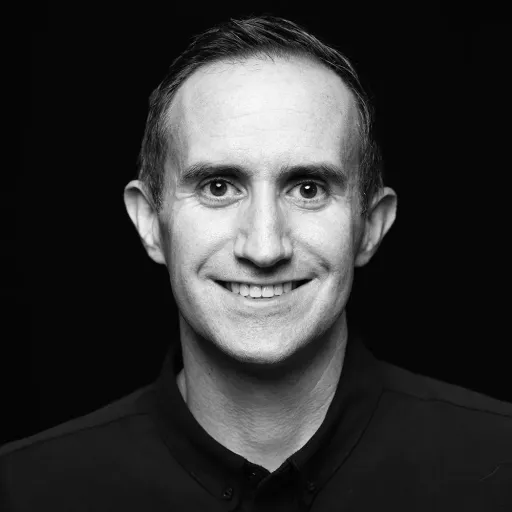
 Morgan Housel
Author and investor who writes about how people behave with money, risk and happiness.
“I almost feel like when you are a lower income, it's called debt. When you are a richer person, it's called financing. And it's viewed like it's called leverage and it's very positive.”
The Prof G Pod with Scott Galloway · Tech Strategy & Big Tech · October 2026
Asked where the line falls between debt that builds something and debt that destroys, Housel pointed to billionaires with multi-billion-dollar credit lines against their stock, who can survive an 80% crash. A lower-income borrower who loses a job, he said, lives in a much narrower channel of outcomes.
Transcript
Meet Klavio, your brand's new best friend. With all your data in one place, Klavio knows you and your customers. It's AI agents build campaigns from one prompt and answer questions 24-7. Always on brand, always with your okay. Go to klaviyo.com slash best friends.
…extent, the term debt, you know, you're in debt or you can't get out, it has a very negative connotation. But at the same time, if leveraged well, it's a very powerful tool. What is the line between debt that builds something and the debt that just fills a gap or even destroys parts of your life?
You're right. I mean, I almost feel like when you are a lower income, it's called debt. When you are a richer person, it's called financing. And it's viewed like it's called leverage and it's very positive. Now, you know, it's true. This has been well documented that if you look at like the deck of billionaires, the centa billionaires, most of them are in a tremendous. Amount of debt. Mark Zuckerberg, Larry Ellison, all those people have multi-billion dollar credit lines against the stock that they own, but that's against $100 billion in stock that they own. If Facebook stock fell 80%, Mark…
written that people's relationship with money is shaped more by when they were born than by what they were taught. Say more?
If you and I grew up during the Great Depression, you and I would not think the same thing about the stock market that we do today. Both of us, I think, are pretty positive on long-term equity ownership and long-term compounding in a diversified portfolio. If you were 25 years old in 1932, you did…
Do you think there's any psychology around money when you're living in what feels to be especially tumultuous, volatile times? I mean, this does feel, you always think you're in an exceptional time, but this feels exceptionally insecure right now. How does that relate to your approach to money? I
More from The Prof G Pod with Scott Galloway