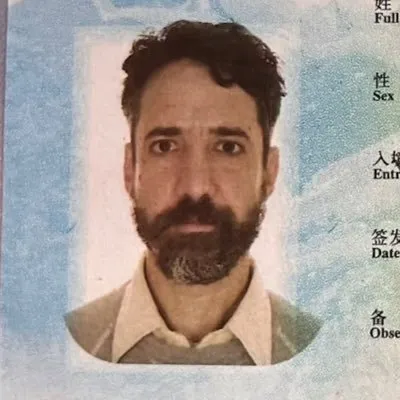
 Joe Weisenthal
Markets journalist and Executive Editor of News for Bloomberg's digital brands, covering finance, macro and the mechanics of the economy.
“This is a remote access. What does that even mean? It's a cloud. Of course it's remote access. … It's always been very baffling to me that we have these intense conversations about, oh, you can't sell into China. But actually, it's really not that big of a deal, and it's not illegal currently to sell into anywhere else who then rents that capacity to Chinese firms.”
Odd Lots · Money & Markets · November 2026
Context
After the guest left, the hosts reflected on the fact that Chinese firms can legally rent Nvidia chips in Southeast Asia that they cannot buy directly. Weisenthal finds the line between selling chips and renting access hard to defend.
Transcript
She's so great. Like, man, what a comp. These are such complicated stories. They really are. They're really complicated. There's so many different dimensions to them. Also, there's a lot of
…more public knowledge, as politicians become aware of it, that that legal loophole of Chinese companies being able to rent GPUs via Southeast Asia, even if they can't actually buy certain chips, like that comes under scrutiny. And you can imagine if that, like, it's such a weird one. It's so
weird. This is a remote access. What does that even mean? It's a cloud. Of course it's remote access. It's like, oh, as opposed to like the tenant of the user of the chips walking into the data instead of themselves and plugging in a laptop. It's all remote access. So it's a, it's always been very baffling to me that we have these intense conversations about, oh, you can't sell into China. But actually, it's really not that big of a deal to sell into, and it's not illegal currently to sell into anywhere else who then rents that capacity to Chinese firms. Like, what? I don't know. I do like, who couldn't explain this adjustment?
Yeah. The other thing that I thought was really interesting and I wasn't aware of was Mackenzie Hawkins that there's basically like a handful of U.S. customs officers in Southeast Asia. And you can imagine like, if you're going to ramp up export controls and expect them to be effective, you're…
You know, I really think actually, and I hadn't appreciated this until McKenzie brought up Huawei's sale to Egypt. That is like, I forget, you know, what is it? We did the story with Eva Doe, who wrote the book, House of Huawei. And what was the story there? The story there was this is a company…
Well, the other thing I just want to reiterate is like, again, with NVIDIA itself, there's a weird like contradiction here where if chip demand is as strong as they describe, they should be very selective with their customers, right? Like, there shouldn't be any question marks over anyone…
More from Odd Lots